
Storm rages,
pounds water
on my windshield.
I am dry
in the shelter of my car,
traveling
through
time
&
space.
Storm rages,
pounds water
on my windshield.
I am dry
in the shelter of my car,
traveling
through
time
&
space.
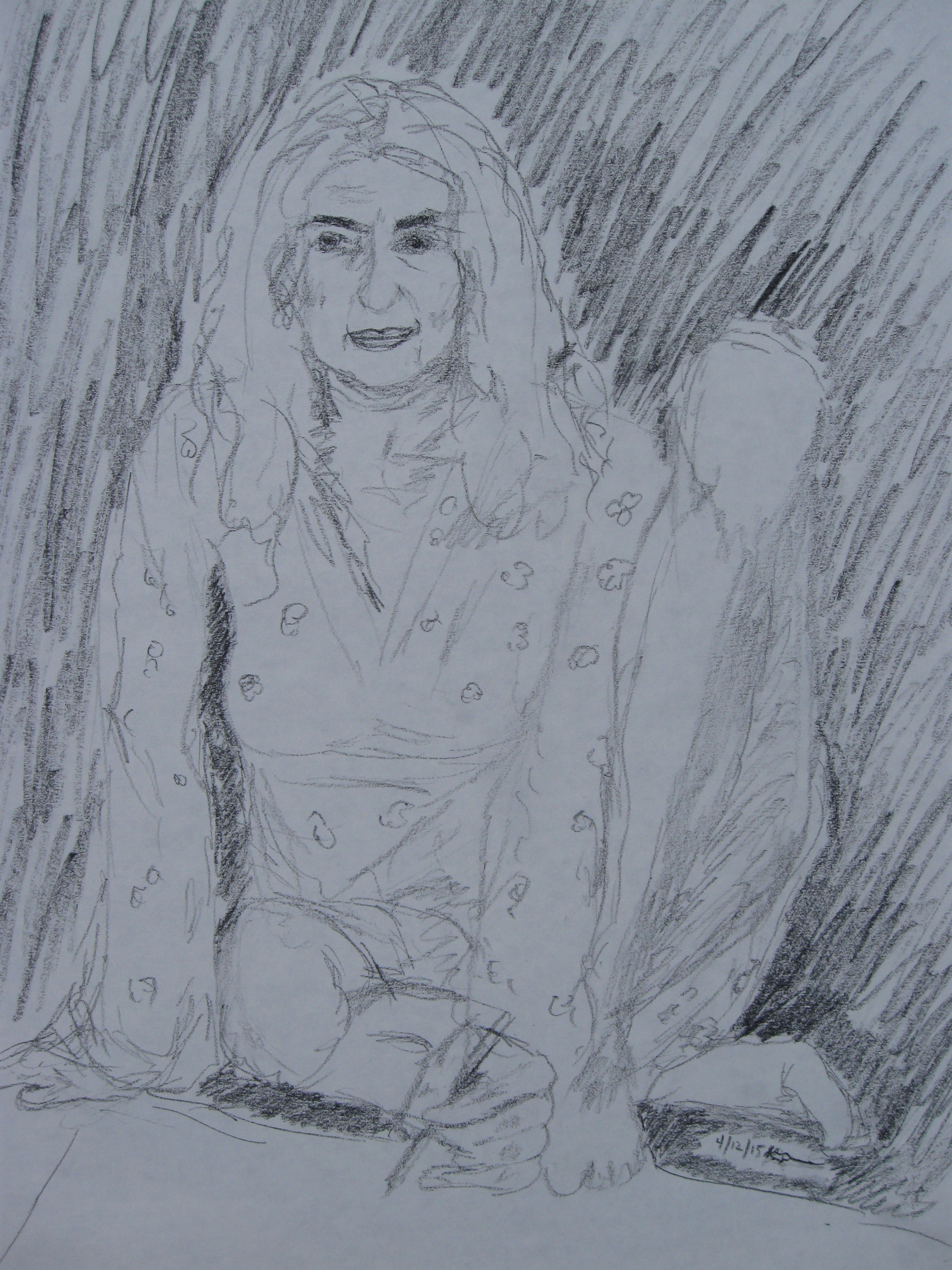 Peri-menopause, the time in our lives from regular menstrual periods to one year after the cessation of periods, is a trip, in all senses of the word. For some of my friends, it is a time that they hardly take note of, nothing much changes. For me, however, it is a time with wildly fluctuating moods, changes in temperature regulation, and bizarre effects. As my friend Barbara put it, peri-menopause is something that no one talks about. Certainly, it was not discussed when we were growing up. Only recently, among certain women, is it now considered an okay topic for discussion, albeit, a little risqué.
Firstly, the good effects. I have always been a slender woman prone to feeling cold. I go out in a down coat when other people are in their shirt sleeves. I think I was meant to live in the tropics. At the onset of perimenopause, I’d get hot flashes and find them extremely pleasant. Finally, at least for the short time of the hot flash, I felt the temperature the same as everyone else. I could take off my coat or jacket or whatever extra layers of clothing I was wearing at the time. In later peri-menopause, I found I had trained myself to regulate my temperature somewhat by increasing the heat in my hands and toes. I also found I’d learned to relax my body somewhat, even when I was tense. For both of these, I used techniques learned from martial arts and yoga. This relaxation of muscles and temperature regulation is somewhat related, which is why they are sitting together in my paragraph.
Somewhere around the first few years of peri-menopause, I got tired of dyeing my hair and let it go gray. It was a relief, since dyeing was both an expense and time-consuming. Then, I found that I could be invisible whenever I wanted. It was like having a magic cloak that would make one disappear. People pass me on the street without looking at me, or even giving any thought to my presence. They will continue their conversation, their thoughts, whatever gait and posture they had without interruption. I could observe them carefully without their ever noticing me. I could listen in to conversations. (Yes, as a writer, I am perpetually nosy.) If I wanted to be visible, all I have to do is walk/stand purposefully and speak up. Like taking off the magic cloak.
The gray hair also allows me to call others “dear,” to speak at will to strangers and get them talking, and to immediately create an authoritative presence at work meetings. I can coo and make faces at babies and parents would smile, understand and tolerate me. People trust me. What a mistake..haha. This is particularly fun when practicing martial arts with those who don’t know me. What do they see? A tiny, old lady. She’s probably fragile. Then suddenly they are on the floor and I am giggling.
Another effect of peri-menopause was wildly swinging moods. One minute I’m crying and the next I’m laughing hysterically, or singing at the top of my lungs (in my car). It also brought some of the worst depressions I’ve had. These might have been partially due to the fact that peri-menopause coincided with a move from NYC to Baltimore, along with a change of jobs. I found myself with a new roommate (my new husband), a different job, and a city where I had some strong acquaintances, but no friends as yet. I also found I couldn’t paint as I had been doing, due to space considerations. That worked out okay though. I decided to join a writer’s group that met regularly to help each other with writing. After that, I started pottery with a marvelous teacher, who became a good friend. But then, I had another devastating depression. This was followed by nearly two years of feeling okay, but numb. I wasn’t creating and cared little about the things that had formerly seemed important. I sat in a comfortable chair and read, mostly escape literature like mystery novels. I felt little energy for martial arts or exercising. I forced myself to keep up somewhat with the martial arts and also, to walk. I couldn’t seem to do the simple domestic tasks, such as cooking, cleaning, and gardening that had given me pleasure. (Actually, I did add to my notebooks some poems, stories and drawings, but I didn’t realize I did it at the time, and the output was much less than usual.) This was the scary part of peri-menopause; I thought I’d be like that for the rest of my life, that aging meant that I wouldn’t have the energy or passion of previous times.
Now, I think I may be at the tail end of peri-menopause. In any event, I feel like a butterfly emerging from a cocoon, or Sleeping Beauty finally awakened by passion into life again. In retrospect, I think the time of calm numbness may have actually been a time of contemplation of my values, an evaluation of where I had been, and an assessment of where I wanted to go with the remainder of my life. I feel more committed to this world and more dedicated to acting on my own ethics. I am going through a period of great creativity. At some point, I may experience a time of less energy or creativity, as my creativity naturally waxes and wanes over time, but I’m merrily riding this wave while it lasts.
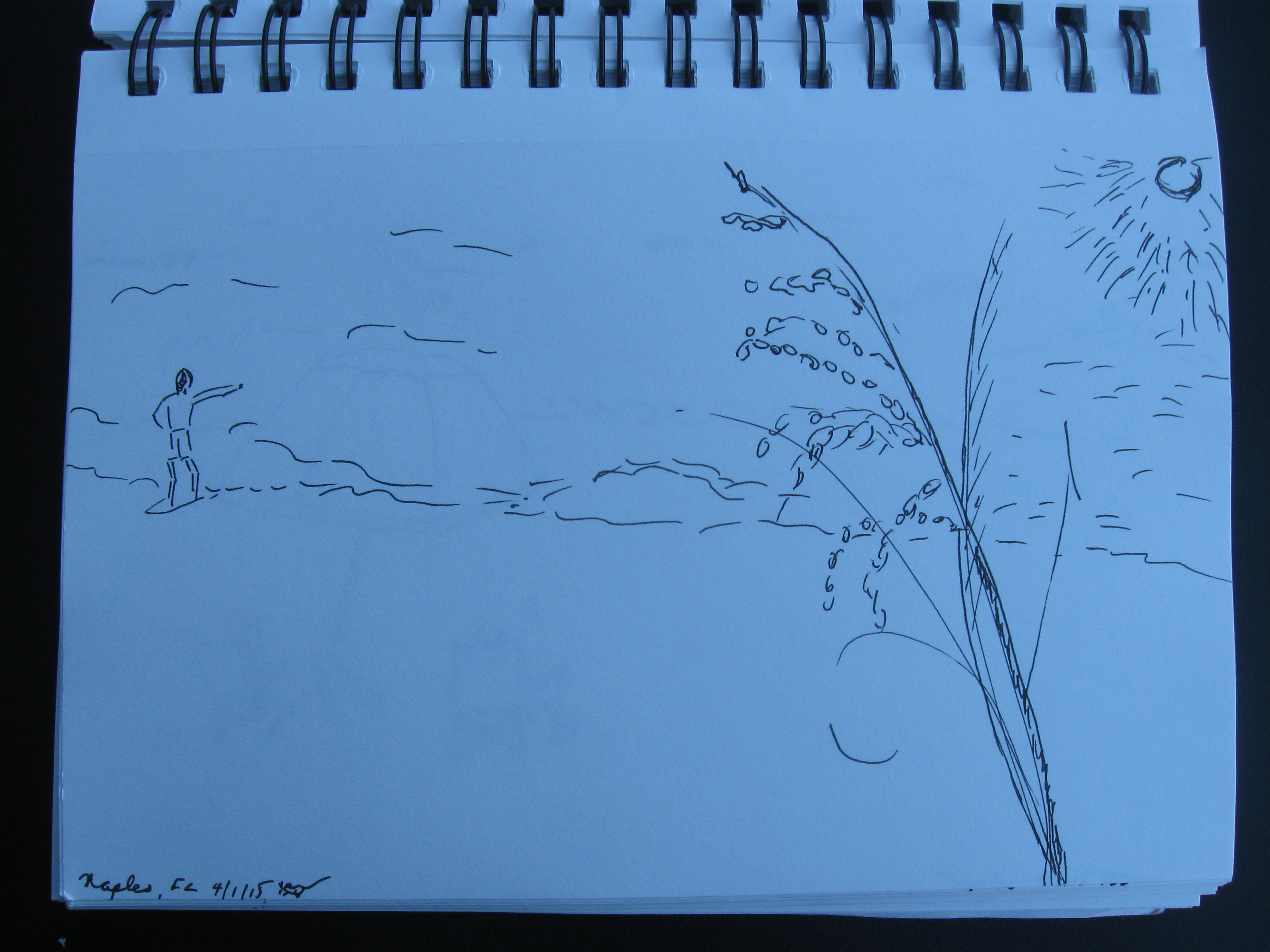

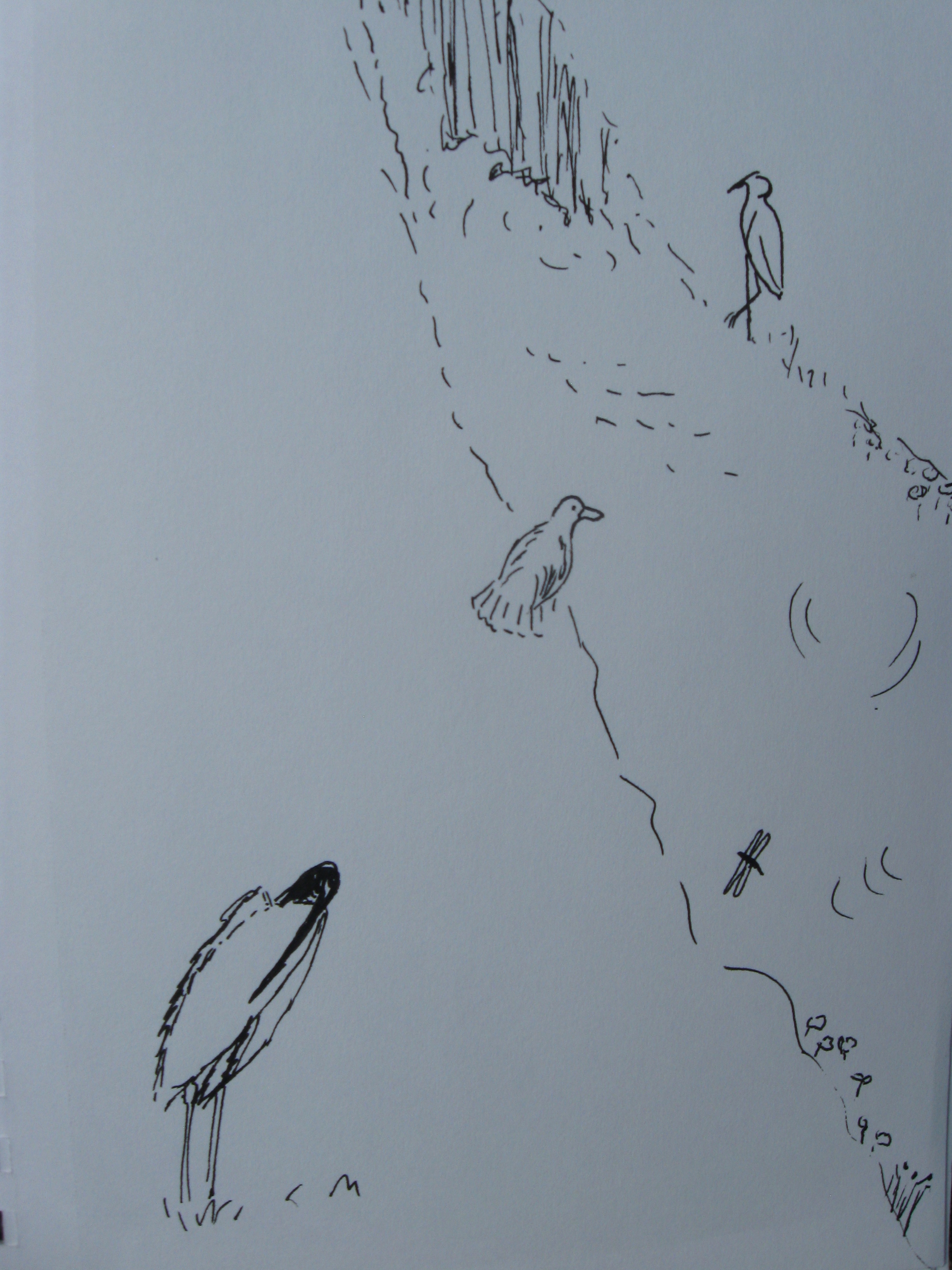
Sun is dying in the western sky
leaving glints of shimmering yellow
on ocean’s indigo waves.
I shiver
with death and beauty.
above the knoll
of weapons
pale full moon
strangled gently
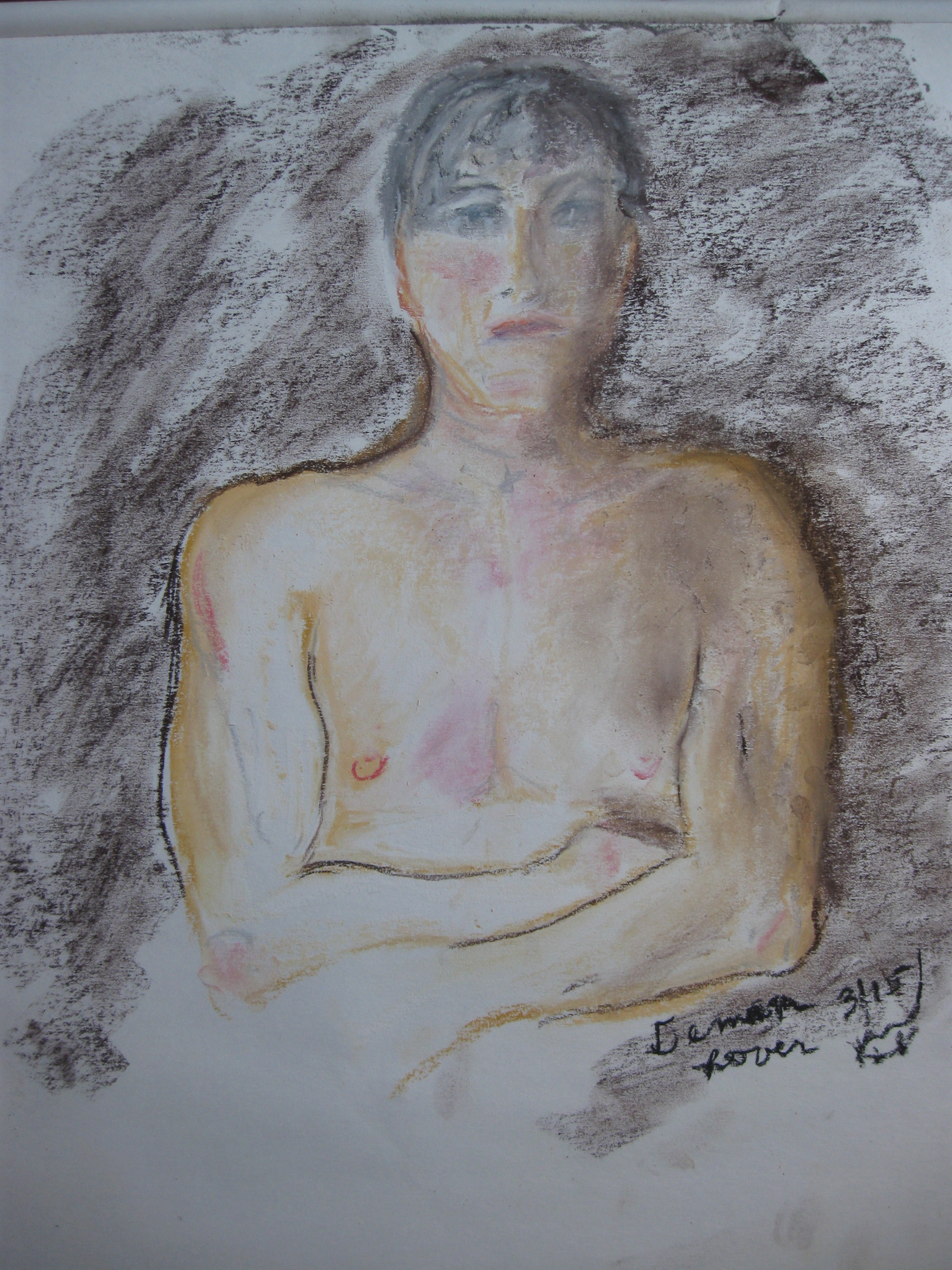
After getting a cat, I am surprised to find myself getting attached to him, as he is to me. Buddy, my cat, was given to my husband by his mother. She would go into the nursing home if he would take the cat. It was a deal only my mother-in-law could broach, mafia-like he “couldn’t refuse,” ha. Now that Buddy has taken over my house and favorite chair, he has also become an art inspiration. Mind control??
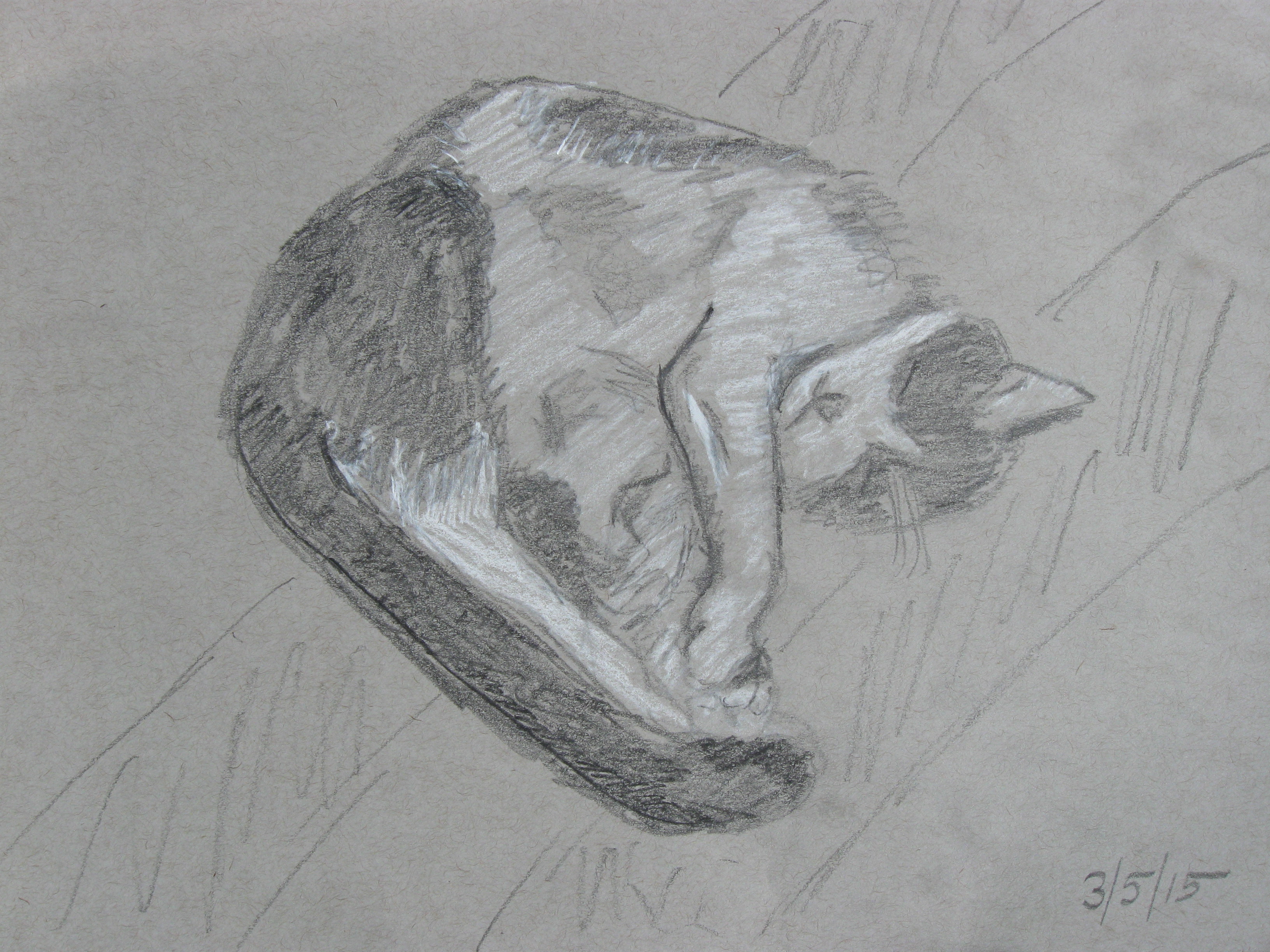

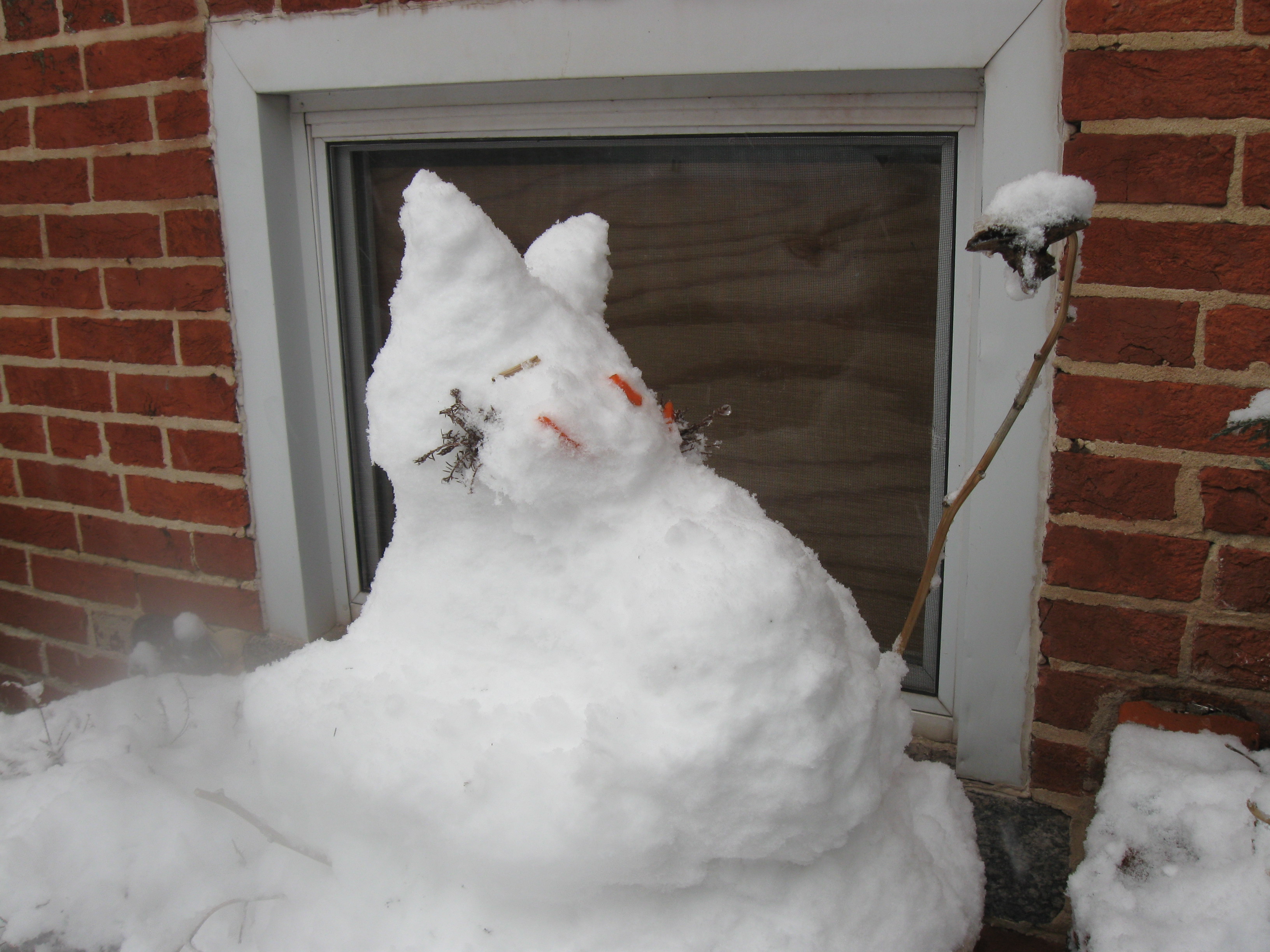
morning travels in light and shadow
singing to my feet
walk with me in sun and shade
caress me in the deep
wander to the harbor water
azure and curdled black
paper sails cast over sea
against the city streets
And behind me
Still lavender blue night framed in my rear view mirror
I leave bare branch trees
Dark lines against my treasured city
Ahead wild seagulls whirl and dip
Angels of the refuse
Of our existence
3/24/2014

There are those awful times when I didn’t feel like I’d ever have another idea. For anything. Everything I thought of, I’d already done several times over and I just can’t get motivated to do the next – dance with the same set of movements, another still life, or another poem about rain. I believe that you are your actions, rather than your thoughts and therefore, I could no longer count on my old identity as an artist. (This is a somewhat comforting thought when you are occasionally homicidal toward coworkers or spouse or the really bad driver in front of you, as I am.)
In retrospect, I find that in those barren stretches I do things that eventually erupt into creativity again. But I don’t realize it at the time. Many of these times, I often feel the world heavy around me. Or I’m running in too many directions because of desire to learn as much as possible about the world. Or I wish to dissolve into fantasy (at which point I read a lot of novels). I might be putting a lot of energy into work or politicking or socializing, or not have any energy at all.
Then, boom. Something changes. It could be as simple as the strep throat I am just getting over. I step back, slow down, and watch the world go by. The ideas drift by like pollen in the spring air. Achoo, ideas start flowing into my thoughts and popping into my journals. My journals start plumping. It as if all that time I spent away from paints and song were simply a catalyst.
So here’s a list to step once more on the path of creation. These are ideas for writing or art, my two main endeavors these days, but they are applicable to any art form.
1. Make your own list of things you’d like to do or learn but haven’t yet. Investigate what it would take to do one or two. Maybe start one. (My latest favorites are jumping out of an airplane and learning welding.)
2. Work on writer’s prompts or art exercises. You can find these on the web and in books. My favorite books for writer’s prompts are Susan Wooldridge “Poem Crazy” and Josip Novakovitch “Fiction Writer’s Workshop.” For art, I find inspiration reading books about symbolism in history and across cultures, or leafing through the art books I’ve accumulated.
3. Read books. Go to museums. Visit the theatre. Enjoy friends.
4. Tell yourself you’re going to do something small. Something that just takes 5 minutes. A quick sketch or two of your cat. A few random words about yourself or why you hate your boss.
5. Do something small as regularly as possible. Maybe vow to make it once a day. It’s okay if you don’t keep the vow and end up doing this once a week. Keep going.
6. Turn off the media stream. Give yourself some quiet time to think. I like to take walks and just look and listen carefully.
7. Switch creative outlets. If you’re a writer, try drawing. If you’re a painter, try singing. Sometimes trying something we don’t have any expectations of being good at is just what we need. Beginner’s mind. After, I find I approach my regular channels with that same beginner’s mind and a different perspective.
8. Do “morning pages,” writing steadily for 3 pages anything that comes into your head. Each day. (See rule above about daily work.) Don’t edit, don’t think much. Try to spill words onto the page as fluidly and steadily as possible. You can throw out the pages afterward. I like doing this in the morning captivated by the warmth of a cup of coffee. But any time in the day can work.
9. Remember the process of making art is the important part. Whether the product is good or bad doesn’t matter. The finished work is merely the by-product of the process. Sometimes I like what I did. About 9 out of 10 times, I toss it in the garbage.
10. Be patient. Know the muse will find you when you are both ready. It will happen.
My recent post, “Creative Process on Tuesday,” explored creativity in a day. This autobiographical account examines how creativity swirled like water throughout my life, seeping through the cracks, and occasionally changing its shape by pouring into a different medium. That said, it is important to note that I had dry spells where I didn’t create much, and times when work and daily living chores were overwhelming and I didn’t sit down to make anything.
As a child and teenager, I experimented with drawing and writing but not in any disciplined way. I also learned to play classical violin and piano and taught myself guitar. I found that I couldn’t create music, perhaps because the training was so structured, although this did change as I got older. In college I rediscovered a love of dance and after graduation I pursued that love by studying modern dance and doing my own choreography. At that time though, I didn’t have enough confidence in my own abilities. Also, it was daunting that so many of the dancers had trained since they were little children. I decided to give up the arts (hah – the muse doesn’t let go readily) and go to graduate school to become a speech-language pathologist. This was the right decision for me. Relieved of the pressure of making money from art, I merrily continued to pursue the arts while in graduate school, just as a “little exercise” and a bit of journal writing. During this time I took up belly dancing. I remember sitting on the floor of my apartment, sewing a burgundy belly dancing costume by hand. My roommate exclaimed, “I thought all that graduate students did was study!” But I couldn’t leave the arts so completely.
After enjoying belly dancing for a while, I got bored because of the limited number of movements used in what was essentially a folk art. So I decided to take up Orissian temple dance. I found an excellent teacher, Ritha Devi, who taught me in her basement apartment in the east 90s in Manhattan. It was fortunate she had a basement apartment – the dance involved percussive stamping of the feet. The first dance I learned was Pushpanjali, a dance of offering to the gods. Orissian dance was very complex and involved not only fast footsteps but isolation of body parts, as the rib cage, hips and head often moved independently. In addition, the dance had mudras, or hand gestures that had specific meanings such as grinding sandlewood or the opening of a flower. (If you are interested, you can go to YouTube and find lovely Orissian temple dancing.)
I continued Orissian dance, as well as my own modern dance choreography. I got married and got pregnant. I loved being pregnant and on my due date, my husband videotaped my carefully choreographed dance about pregnancy. When my son was 1 1/2 years old we spent 6 months in India learning about the culture and going swimming at the beach in Orissa. When I came back, I got pregnant again and this time I was too tired to continue dancing. After my second son was born, I didn’t have the time to keep in shape for dancing and work on choreography so I gave up dance altogether.
The children were so cute I started drawing them with pencil. Mostly when they were asleep; otherwise, they were moving too fast! Then I started using colored pencils and not only drawing the children, but outdoor landscapes. My husband, who is an abstract painter, suggested I try watercolors. I found the fluid way that watercolors demanded some things be left to chance very appealing. Also, watercolors have great versatility particularly when used from tubes. And they were portable. I could take them to the park or camping. We started doing a lot of camping and I painted outdoors there. I became fascinated by painting the constantly moving water, whether river, lake or ocean.
Nine years after the birth of my second son I left my husband. I got a motorcycle and a friend gave me her father’s box of oil paints. Oil paints were delightful. It was like playing in mud. They could be put on thickly. They could be layered. And I could experiment more easily with where lines and colors went since I could paint in layers that covered previous thoughts. By this time my painting subjects were still lifes, landscapes and people. I carried my paints in the motorcycle’s saddlebags. I often portrayed my dreams. I continued to use my children as subjects. I also drew and painted my boyfriends. I would paint on scrap bits of wood I found in the streets, since construction was always happening somewhere in my neighborhood. I also used found metal as frames and would pick up scraps of trash that seemed interesting – colored glass, a tube, a curl of wire. As always, I kept journals that contained a variety of spontaneous thought, poems, short stories and sketches.
My father had taught me the importance of humor. Around the time I was still married, I started making little cartoon books such as “Camping with Children,” “Suburban Life” (for very urban friends that were moving), and “The Seven Year Itch.” I would also draw cartoons about funny events or conversation.
As a speech-language pathologist, I had to develop ways to encourage children who did not naturally love language to learn to enjoy verbal communication. Believing strongly that creativity is healing, I thought up many projects that would involve both hands and mind. Among them were creating and decorating and flying kites, writing poetry from lists of words we made up while using our senses on walks outside the school, and what I called “the puppet project.” The puppet project was a two month project at the end of the school year. The kids created their own puppets from paper bags and construction paper, gave the puppets names and personalities, wrote their own plays, and then performed the plays for the kindergarten children. This was immensely successful and each year the children would ask if we would do it again.
During my time in New York City, I generally lived in artist communities. I didn’t always participate in the life of the community since I was shy about publicly displaying my work. However, I derived a great deal of pleasure and inspiration from meeting other artists and performers. I regularly went to museums, as I had done since I was a child holding the hand of my grandmother. I went to my friends’ plays and art openings. I casually wandered into the art galleries that were sprouting up like dandelions. It was good to have affirmation that doing this seemingly useless, and entirely uneconomic (with some exceptions, of course) activity was important. And there was the sheer energy that was impossible not to bring home and form into my own work.
When I look back, I realize that the one constant is that I always kept a journal. I use it to write ideas, sketches, poems, stories, and outpourings of feelings that I never wanted to tell anyone. I write in it when I feel like it, usually dating the entries. But there are no rules. Sometimes I will use it several times a day and at other times, days can go by without an entry. It is my companion and keeper of secrets and repository of many ideas yet to be fulfilled.
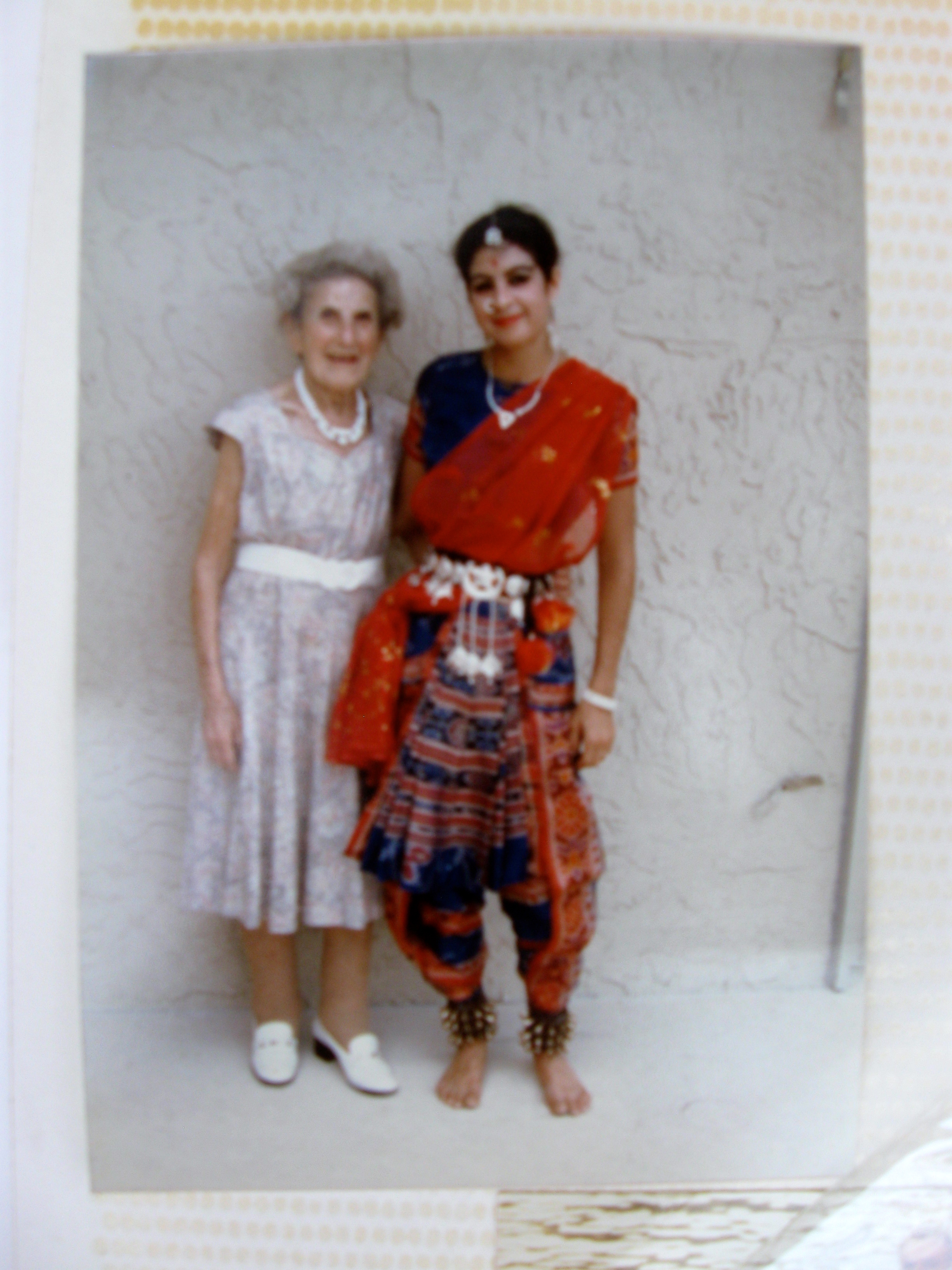
My grandmother, Nonne, and me
 gaia mouse