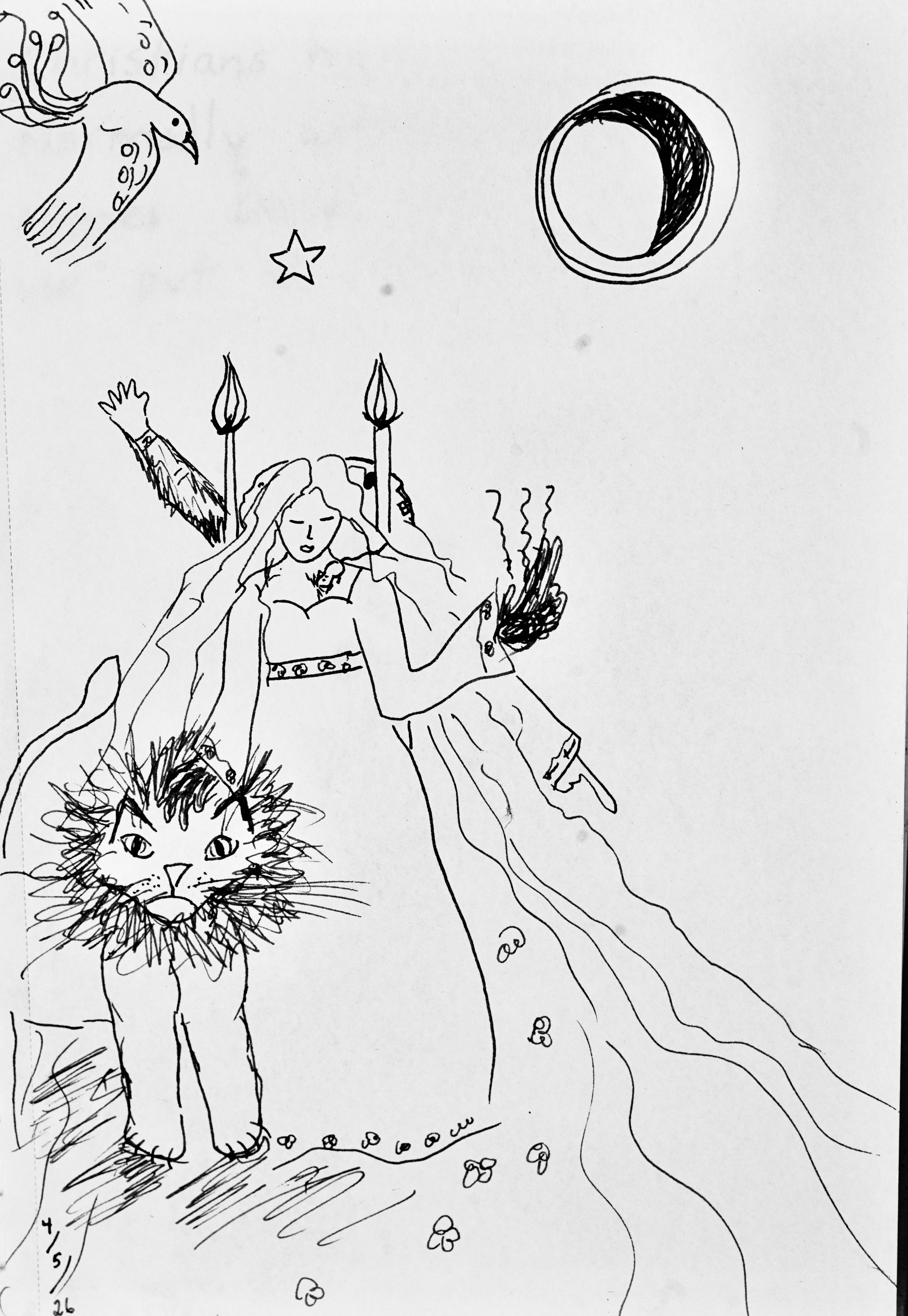
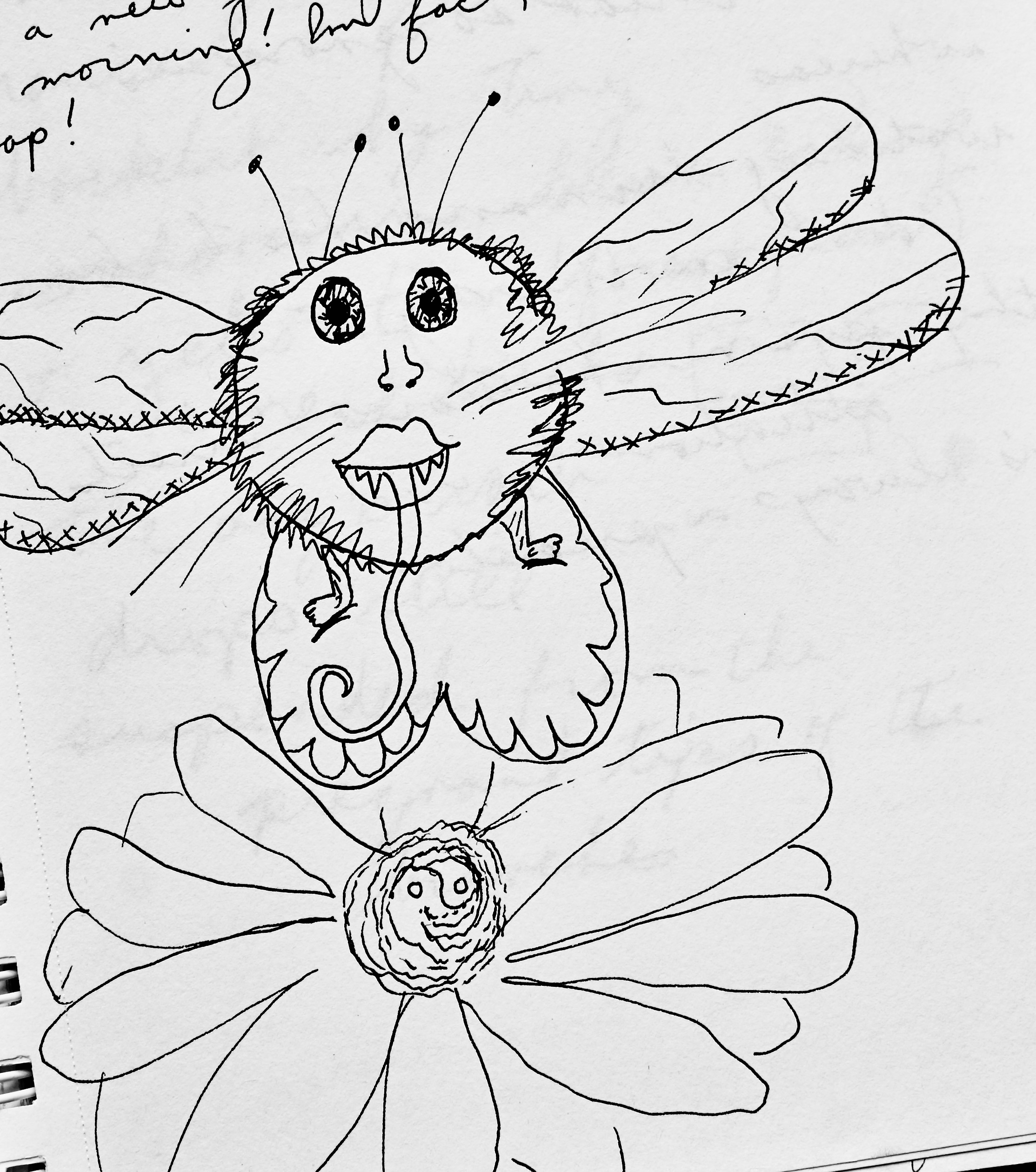
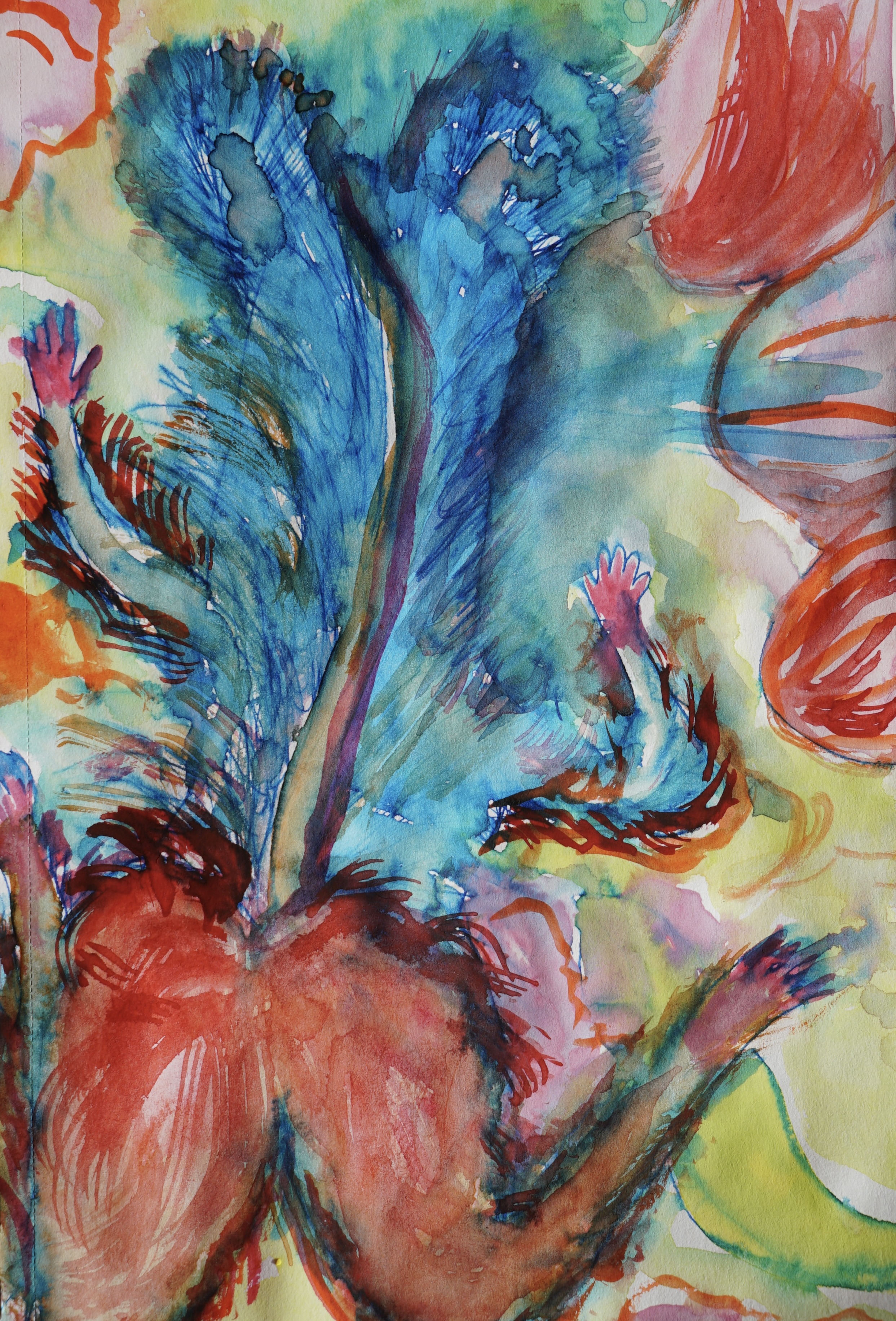
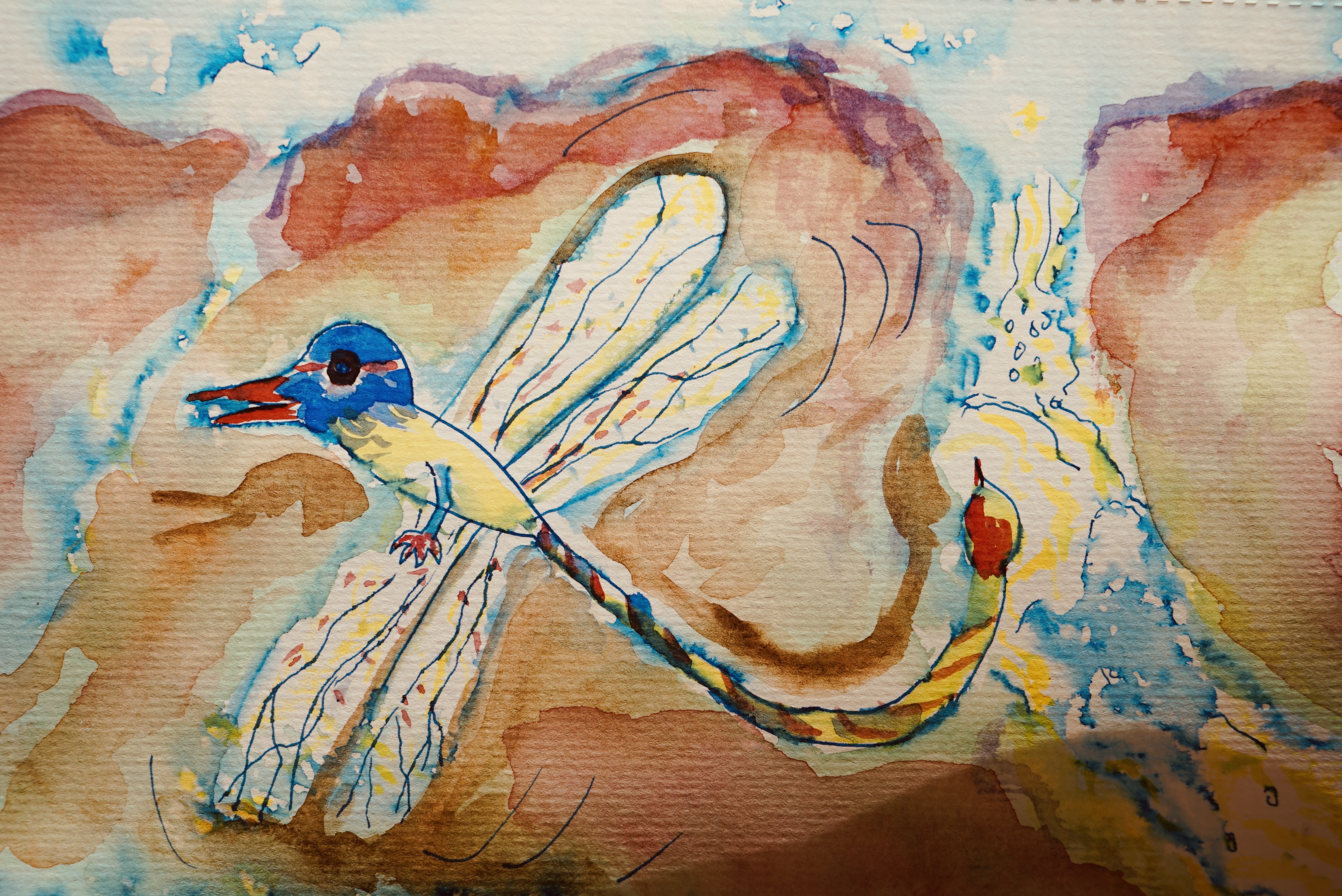
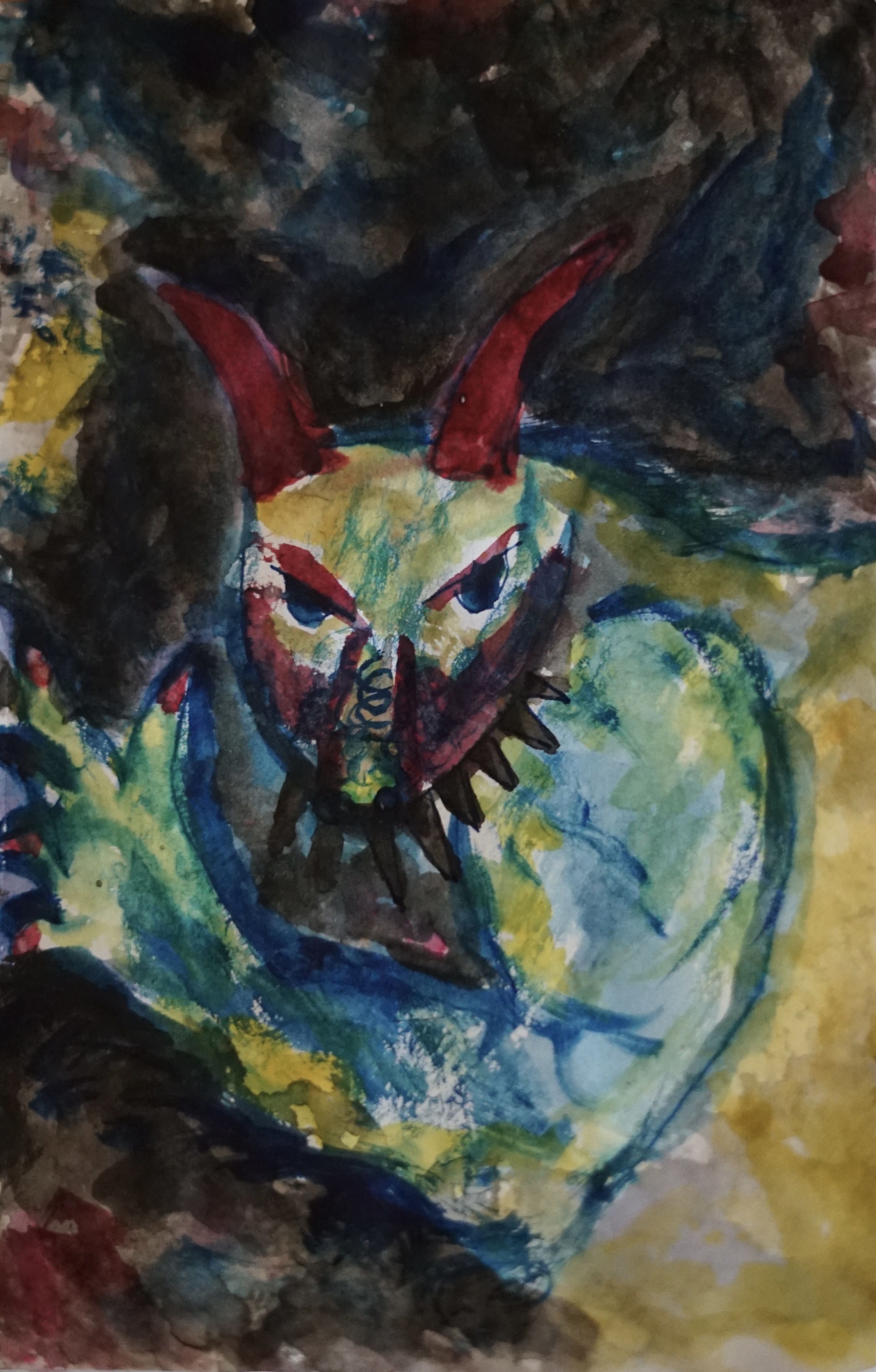
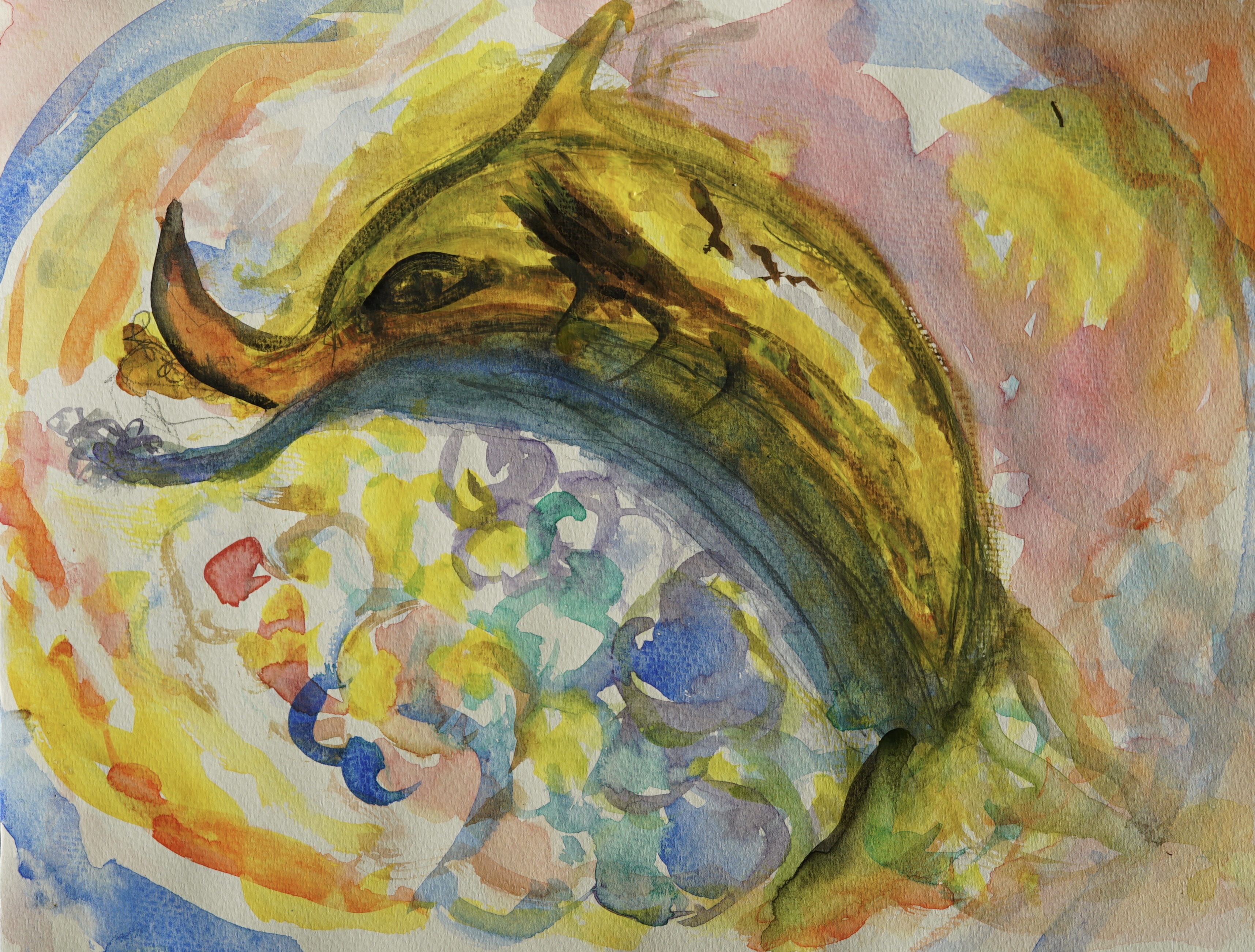
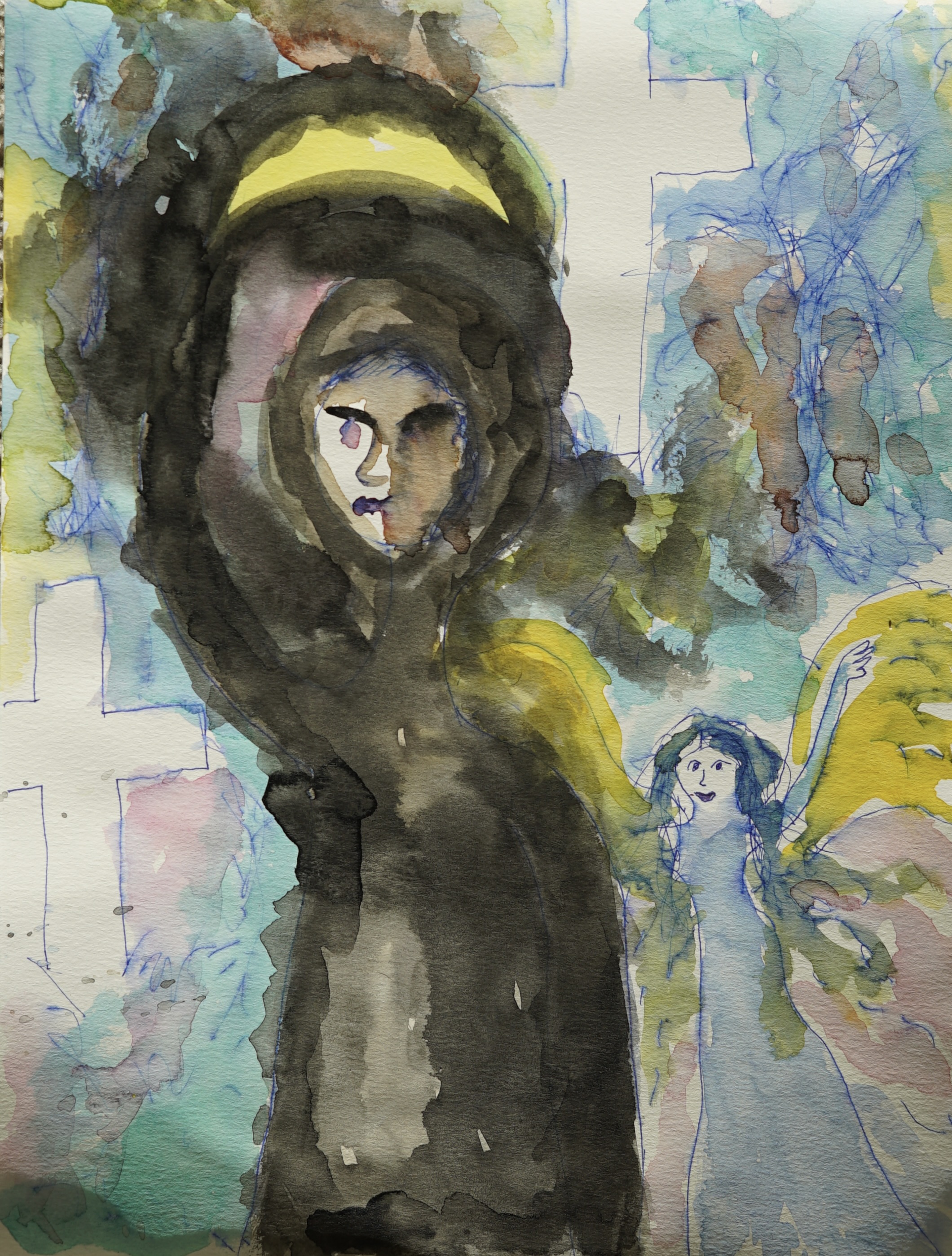
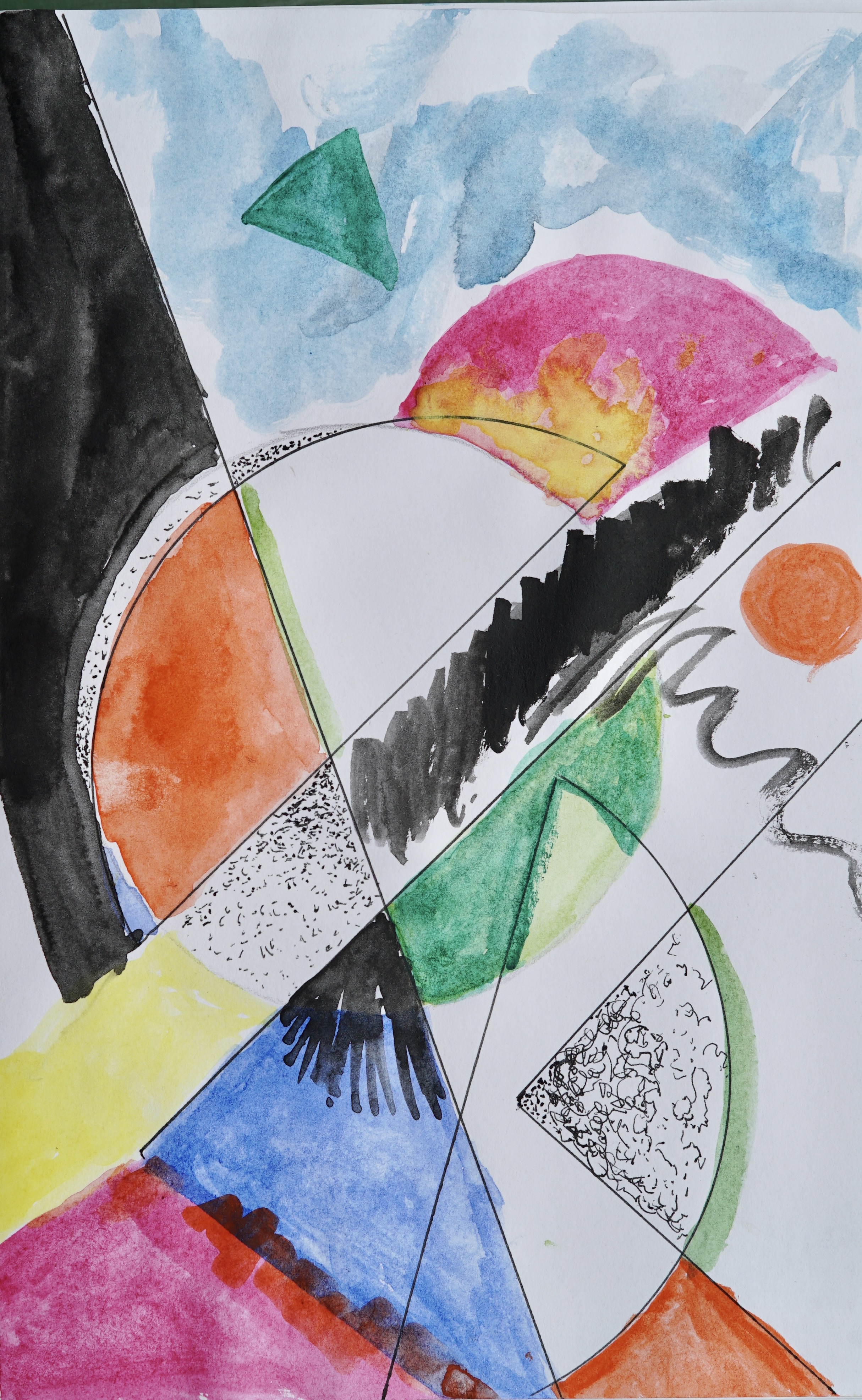
Abstraction

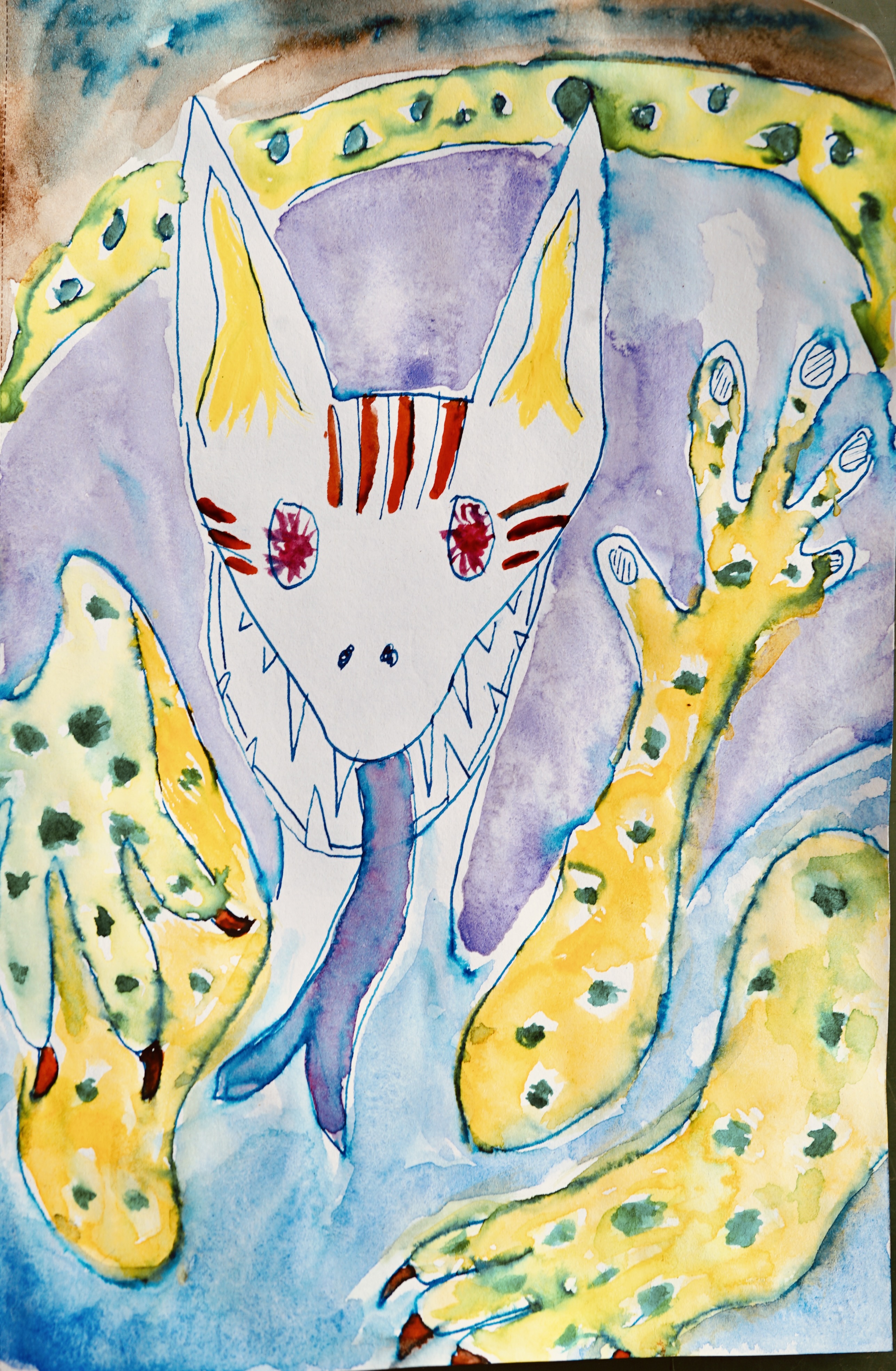
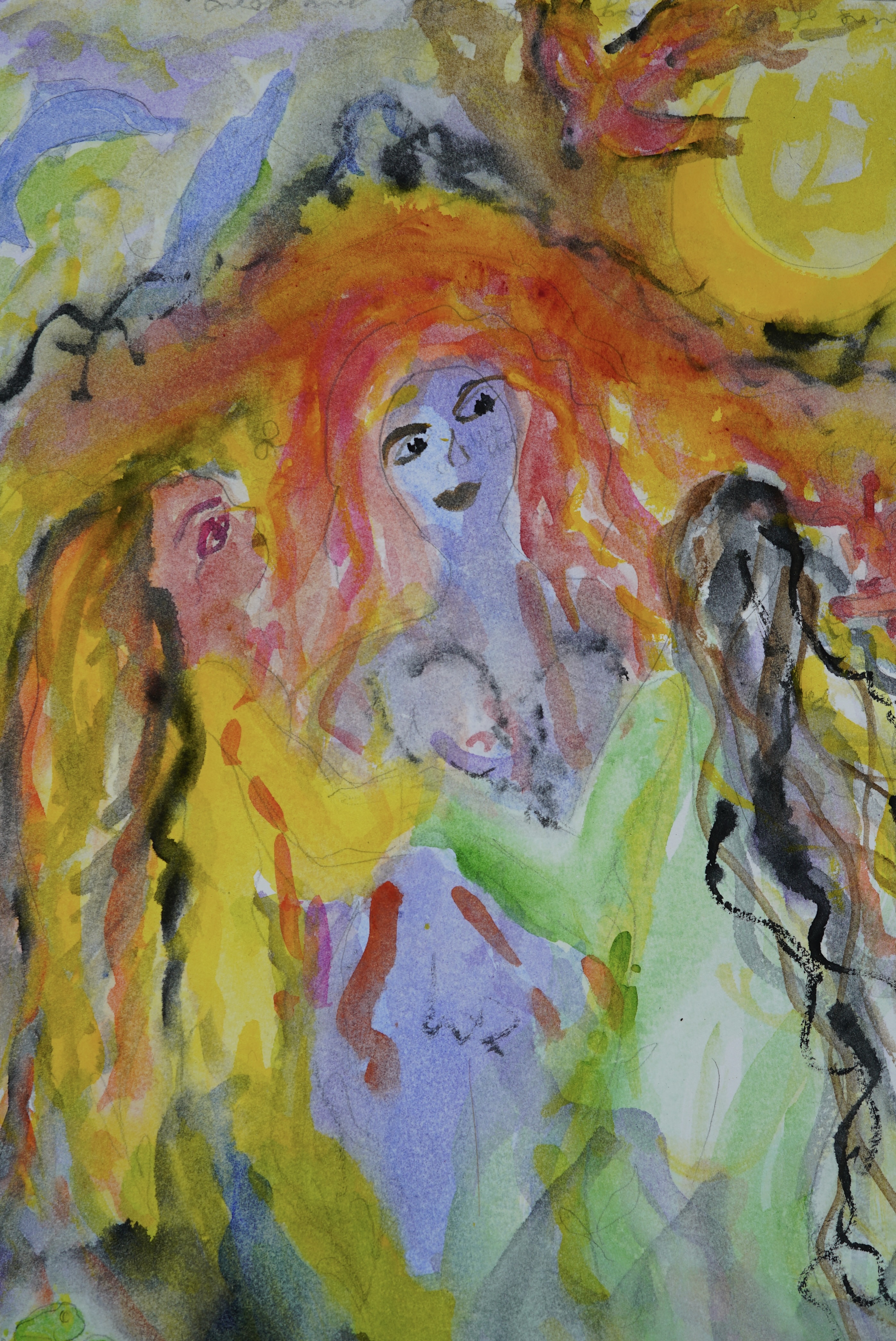
This is the first abstract painting I’ve done that I really like. When I was young, I loved Impressionism, which showed the world distorted by reality. Then I started painting dreams, landscapes, and still life – but I was always painting real people and objects. As I did this, I found I understood abstraction as the ultimate artwork that underpins realistic painting since there is always the need to consider the placement of objects, the texture of brush strokes.

On Retirement

Retirement is wonderful! I recommend for everybody. I abruptly retired from a stressful job as a speech-language pathologist in public schools because we were ordered to return to in-person schooling when vaccines weren’t available. I was 62 years old at the time and had asthma. Although I planned to work until 65 years of age, it seemed silly to risk death just as I was reaching retirement age. I had no idea of what I would do next.

At first I just enjoyed laying in bed, sometimes until noon, idly reading and journaling in a notebook. Then I realized I wanted to learn how to write better. I enrolled in a Masters program for Creative Writing at Towson University. It was fabulous! Not only did I improve my writing, but I found a community of writers. I was intellectually stimulated and met new friends. Many of them are younger than me with different perspectives and wisdom.

After graduating I continue to write poetry and short stories. I’m a journalist for the Peninsula Post, a local newspaper. I also draw cartoons, paint, and play guitar. It is amazing to have tons of time to create and socialize. I have energy for exercising and cooking healthy meals. Along with the time when I was raising my sons, retirement is the best period of my life.

Cat Sketching

This summer I’ve been sketching my cat at least once a day. Sometimes I sketch the friendly squirrels of Baltimore too. (They are especially friendly if I have nuts.) The sketches prime my creative pump and get me started for the rest of the day, no matter if I paint or write, or both!

Mango Lassi (or smoothie)

1 mango peeled and loosely chopped

3/4 Cup yogurt

1/4 Cup water; if using Greek yogurt, use 1/2 Cup water

grated fresh ginger

pinch of cardamon

pinch of salt

3 ice cubes

optional garnish of a cucumber slice, or sprig of fresh mint

Mix everything but the garnish in a blender until smooth. Season to taste. If you like sweet tastes, add some honey or sugar.

Baby

I don’t usually paint from photographs – preferring studio still lifes or plein air painting. But someone posted a picture of their beautiful child and I was inspired.

water weaves waves

water weaves waves
reflecting brick and weeds
window refracting sun
sprinkling light
on playful crests
weaving water waves

Backyard Sunday

IMG_3531I lay flat in my small, urban yard and heard the cheering fans at Camden Stadium, the young urbanites at the bar at the end of the block, and the occasional radio rolling by in a car. I sank my body into the slate footstones, trying to unfurl the tightness stored in large quantities, imagining the Earth’s warm core seeping into me. Listened. The chorus of birds sang to their young, caught in the interstices of the cacophony of the city. The new leaves and pink and white buds on the crab apple tree were splayed with sunshine. I sat up and dipped my brush into amber, sapphire and emerald watercolors. The paper was fresh and white.

Buddy, my black and white cat, meowed to come join me and I opened the door. He settled comfortably under the tree, hoping the birds wouldn’t notice him. Suddenly, Buddy decided it was his chance to jump into the neighbors yard and try to find that orange tabby that lives somewhere in the alley. Yikes! Buddy is a rescue, with no claws and two teeth. The tabby outweighs him by at least 10 pounds. The orange tabby probably eats rats bigger than my cat. I ran out the gate, captured Buddy, and threw him back inside. He was indignant, but saved from his own intentions, as we all need to be at times. I went back and completed my painting. It was a glorious Sunday.

finding the muse: autobiography

My recent post, “Creative Process on Tuesday,” explored creativity in a day.  This autobiographical account examines how creativity swirled like water throughout my life, seeping through the cracks, and occasionally changing its shape by pouring into a different medium.  That said, it is important to note that I had dry spells where I didn’t create much, and times when work and daily living chores were overwhelming and I didn’t sit down to make anything.

As a child and teenager, I experimented with drawing and writing but not in any disciplined way.  I also learned to play classical violin and piano and taught myself guitar.  I found that I couldn’t create music, perhaps because the training was so structured, although this did change as I got older.  In college I rediscovered a love of dance and after graduation I pursued that love by studying modern dance and doing my own choreography.  At that time though, I didn’t have enough confidence in my own abilities.  Also, it was daunting that so many of the dancers had trained since they were little children.  I decided to give up the arts (hah – the muse doesn’t let go readily) and go to graduate school to become a speech-language pathologist. This was the right decision for me.  Relieved of the pressure of making money from art, I merrily continued to pursue the arts while in graduate school, just as a “little exercise” and a bit of journal writing.  During this time I took up belly dancing.  I remember sitting on the floor of my apartment, sewing a burgundy belly dancing costume by hand.  My roommate exclaimed, “I thought all that graduate students did was study!”  But I couldn’t leave the arts so completely.

After enjoying belly dancing for a while, I got bored because of the limited number of movements used in what was essentially a folk art.  So I decided to take up Orissian temple dance.  I found an excellent teacher, Ritha Devi, who taught me in her basement apartment in the east 90s in Manhattan.  It was fortunate she had a basement apartment – the dance involved percussive stamping of the feet.  The first dance I learned was Pushpanjali, a dance of offering to the gods.  Orissian dance was very complex and involved not only fast footsteps but isolation of body parts, as the rib cage, hips and head often moved independently.  In addition, the dance had mudras, or hand gestures that had specific meanings such as grinding sandlewood or the opening of a flower.  (If you are interested, you can go to YouTube and find lovely Orissian temple dancing.)

I continued Orissian dance, as well as my own modern dance choreography.  I got married and got pregnant. I loved being pregnant and on my due date, my husband videotaped my carefully choreographed dance about pregnancy.   When my son was 1 1/2 years old we spent 6 months in India learning about the culture and going swimming at the beach in Orissa.  When I came back, I got pregnant again and this time I was too tired to continue dancing.  After my second son was born, I didn’t have the time to keep in shape for dancing and work on choreography so I gave up dance altogether.

The children were so cute I started drawing them with pencil.  Mostly when they were asleep;  otherwise, they were moving too fast!  Then I started using colored pencils and not only drawing the children, but outdoor landscapes.  My husband, who is an abstract painter, suggested I try watercolors.   I found the fluid way that watercolors demanded some things be left to chance  very appealing.  Also, watercolors have great versatility particularly when used from tubes.  And they were portable.  I could take them to the park or camping.  We started doing a lot of camping and I painted outdoors there.  I became fascinated by painting the constantly moving water, whether river, lake or ocean.

Nine years after the birth of my second son I left my husband.  I got a motorcycle and a friend gave me her father’s box of oil paints. Oil paints were delightful.  It was like playing in mud.  They could be put on thickly.  They could be layered.  And I could experiment more easily with where lines and colors went since I could paint in layers that covered previous thoughts. By this time my painting subjects were still lifes, landscapes and people.  I carried my paints in the motorcycle’s saddlebags.  I often portrayed my dreams.  I continued to use my children as subjects.  I also drew and painted my boyfriends.  I would paint on scrap bits of wood I found in the streets, since construction was always happening somewhere in my neighborhood.  I also used found metal as frames and would pick up scraps of trash that seemed interesting – colored glass, a tube, a curl of wire.  As always, I kept journals that contained a variety of spontaneous thought, poems, short stories and sketches.

My father had taught me the importance of humor. Around the time I was still married, I started making little cartoon books such as “Camping with Children,”  “Suburban Life” (for very urban friends that were moving), and “The Seven Year Itch.”  I would also draw cartoons about funny events or conversation.

As a speech-language pathologist, I had to develop ways to encourage children who did not naturally love language to learn to enjoy verbal communication.  Believing strongly that creativity is healing, I thought up many projects that would involve both hands and mind.  Among them were creating and decorating and flying kites,  writing poetry from lists of words we made up while using our senses on walks outside the school, and what I called “the puppet project.”  The puppet project was a two month project at the end of the school year.  The kids created their own puppets from paper bags and construction paper, gave the puppets names and personalities, wrote their own plays, and then performed the plays for the kindergarten children.  This was immensely successful and each year the children would ask if we would do it again.

During my time in New York City, I generally lived in artist communities.   I didn’t always participate in the life of the community since I was shy about publicly displaying my work.  However, I derived a great deal of pleasure and inspiration from meeting other artists and performers. I regularly went to museums, as I had done since I was a child holding the hand of my grandmother.   I went to my friends’ plays and art openings.  I casually wandered into the art galleries that were sprouting up like dandelions.  It was good to have affirmation that doing this seemingly useless, and entirely uneconomic (with some exceptions, of course) activity  was important.  And there was the sheer energy that was impossible not to bring home and form into my own work.

When I look back, I realize that the one constant is that I always kept a journal.  I use it to write ideas, sketches, poems, stories, and outpourings of feelings that I never wanted to tell anyone.  I write in it when I feel like it, usually dating the entries.  But there are no rules.  Sometimes I will use it several times a day and at other times, days can go by without an entry.  It is my companion and keeper of secrets and repository of many ideas yet to be fulfilled.

IMG_2717

My grandmother, Nonne, and me